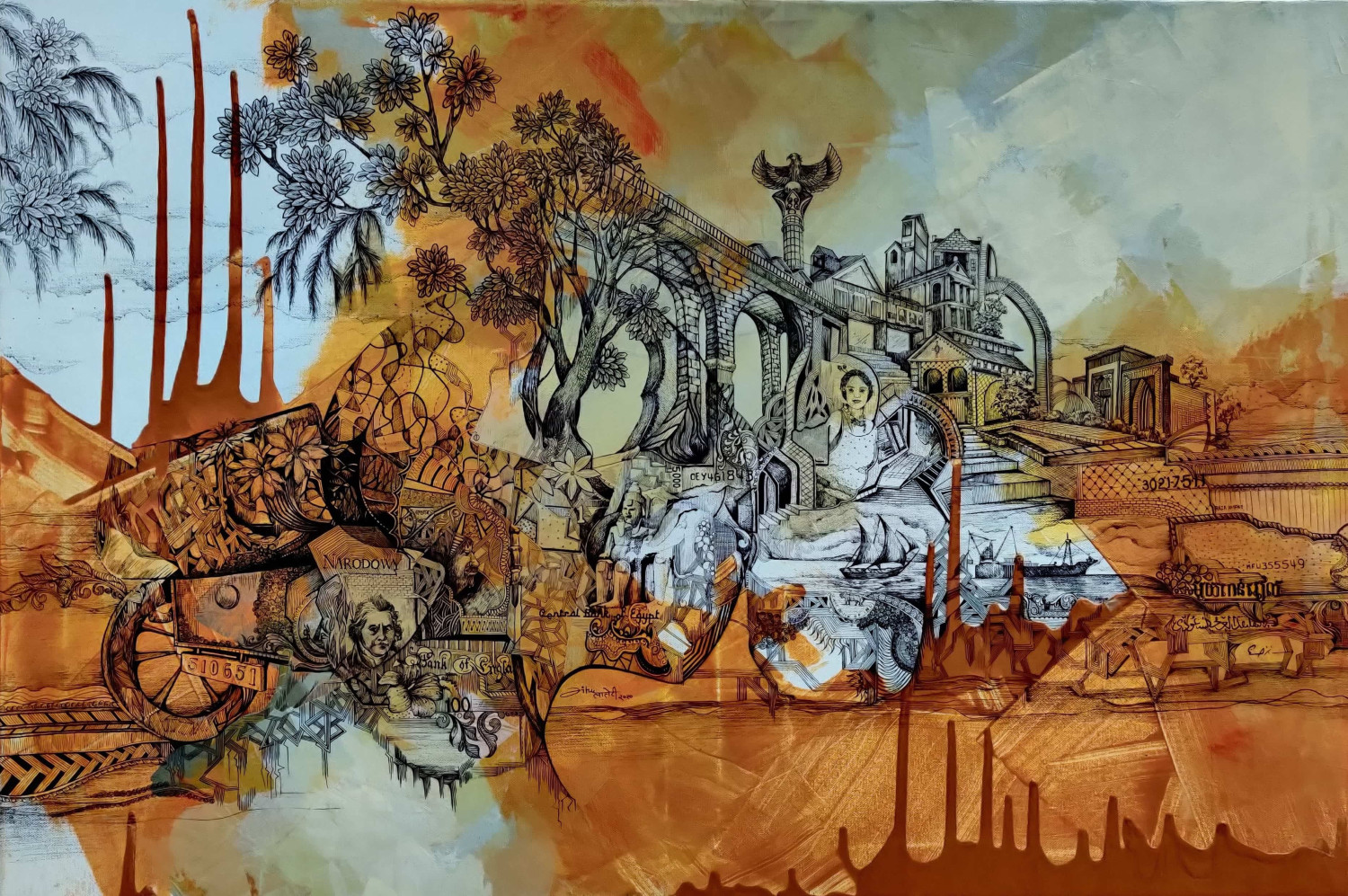
color is what the eye sees when light is reflected off an object. Painters mix different colors and make different tones of the one color. The three colors that they can’t make are the primary colors (red, yellow and blue). The secondary colors (orange, green and purple) are created by mixing the primary colors: Red + Yellow = Orange Yellow + Blue = Green Blue + Red = Purple Tertiary colors are made when a color moves towards the color of its neighbor on the color wheel or in the color spectrum, e.g. a yellow-orange or a red-orange, a yellow-green or a blue-green. The complementary colors are colors that complement each other. They appear very vibrant when placed next to one another. They are also referred to as contrasting colors. They are: red and green, yellow and purple, blue and orange. Note:
- Black is not a color. It is the absence of color
- There is no such thing as pure white as white reflects the colors around it. COLORS are made up of three properties: hue, value,and intensity. • Hue: name of color • Value: hue’s lightness and darkness (a color’s value changes when white or black is added) • Intensity: quality of brightness and purity (high intensity= color is strong and bright; low intensity= color is faint and dull)
|